


Most people don’t think about their hearing until something feels “off.” A buzzing sound after a loud concert, difficulty following conversations in a restaurant, or needing the TV volume a little louder each week — these are signs that hearing health is part of overall health, not something separate.
The good news? Your daily habits have a powerful influence on how well your ears function over time. Just like brushing your teeth or stretching your back, protecting your hearing can fit easily into your everyday routine.
In this guide, we’ll explore science-backed lifestyle habits that help maintain hearing health — covering sound exposure, diet, stress, sleep, exercise, and digital habits. We’ll also walk through early detection tips and how OTC hearing aids like OKB Hearing can support your lifestyle when changes in hearing begin to show.
1. Understand How Your Lifestyle Affects Your Ears
Your ears may be small, but the auditory system behind them is incredibly complex. Thousands of tiny hair cells in the inner ear convert sound waves into signals your brain can understand. Once those cells are damaged, they don’t grow back.
That’s why prevention matters.
Lifestyle habits influence:
- Blood flow to the inner ear
- Inflammation in the body
- How often ears are exposed to damaging noise
- Stress and tension around the auditory nerve
- How quickly your brain adjusts to speech and sound
Taking care of your hearing isn’t just about cutting loud noise — it’s about supporting the entire system that keeps those delicate structures healthy.
2. Protect Your Ears from Loud Sound (Your Everyday Sound Diet)
If there’s one habit with the biggest impact: reduce harmful noise exposure.
Know the safe limits
- Safe daily exposure: Under 85 dB
- Risk doubles every time volume increases by ~3 dB
- Common loud environments:
- City traffic: 85 dB
- Power tools: 100 dB+
- Concerts/sporting events: 100–120 dB
- Earbuds at max volume: 100+ dB
Practical habits to protect your ears
Use the 60/60 rule
Listen through headphones at no more than 60% volume for no more than 60 minutes at a time.
Carry earplugs
Affordable and discreet. Great for gyms, planes, bars, or live events.
Choose noise-canceling headphones
They allow you to listen at lower volumes because they block outside noise.
Take sound breaks
Just like screen breaks for your eyes — give your ears 5 minutes of quiet every hour.
Monitor your environment
Your smartphone can measure dB levels. If you need to raise your voice to talk, the environment is already too loud.
3. Eat Foods That Support Hearing Health
Your inner ears rely on nutrients to maintain healthy hair cells, nerve pathways, and blood flow. While food can’t reverse hearing loss, the right diet supports overall hearing wellness.
Best nutrients for ear health
-
Omega-3 fatty acids: Support blood flow and help protect inner ear structures
Sources: salmon, mackerel, walnuts, flaxseeds -
Magnesium: Helps protect against noise-induced damage
Sources: spinach, almonds, avocado -
Potassium: Important for the fluid in the inner ear
Sources: bananas, potatoes, oranges -
B vitamins (especially B12 & folate): Support nerve and brain function
Sources: eggs, lentils, fortified cereals -
Antioxidants (vitamin C, E, beta-carotene): Help reduce inflammation
Sources: berries, leafy greens, carrots
Simple hearing-healthy meals
- Oatmeal + berries + walnuts
- Salmon bowl with brown rice and greens
- Stir-fry with tofu, spinach, and mushrooms
- Avocado toast with eggs
- Roasted sweet potatoes with mixed veggies
4. Keep Moving: Exercise and Blood Flow Support Your Ears
Your inner ear relies heavily on consistent blood flow. Poor circulation can contribute to hearing difficulties or tinnitus.
Movement habits that support hearing health
Walk at least 30 minutes a day
Walking boosts circulation and reduces inflammation — two major factors in healthy hearing.
Try balance-based exercises
The inner ear controls both hearing and balance. Yoga and tai chi support both systems.
Incorporate light strength training
Better heart health = better ear health.
Stretch your neck and jaw
Tension around the head can affect how sound is processed.
Even small movements make a difference — the key is consistency.
5. Manage Stress (Your Ears Feel It More Than You Think)
Chronic stress can tighten muscles around the ears, disrupt sleep, trigger tinnitus flare-ups, and reduce blood flow to the auditory system.
Daily stress-friendly practices
- Deep breathing for 5 minutes
- Warm showers to relax head and neck tension
- Limiting news/social media before bed
- Spending 10 minutes outdoors
- Listening to calming nature sounds (at safe volume!)
Why stress affects hearing
Stress hormones elevate blood pressure and trigger inflammation — two factors that impact how well sound travels through the ear.
6. Prioritize Sleep for Better Listening and Brain Processing
Hearing isn’t just about your ears — it’s about your brain. When you’re tired, the brain struggles to filter noise, recognize speech, and stay focused in conversation.
Healthy sleep habits that help your ears
- Keep consistent bedtime/wake-up times
- Limit caffeine in the afternoon
- Avoid loud TV/music before bed
- Sleep in a quiet environment or use low-volume white noise
- Keep your phone away from your pillow
Sleep is one of the most overlooked but most powerful ways to support clearer hearing and communication.
7. Update Your Earbud and Headphone Habits
Most people use earbuds daily — for calls, podcasts, workouts, commuting, studying. But they’re also one of the biggest contributors to hearing fatigue.
Better listening habits
- Use over-ear headphones when possible
- Set a maximum volume limit on your device
- Avoid using earbuds in noisy places (buses, gyms)
- Choose content with good audio quality to avoid turning the volume up
- Give your ears 5–10 minutes of silence after long listening sessions
Your ears will thank you — today and years from now.
8. Quit Smoking and Limit Alcohol (Your Ears Benefit Quickly)
Smoking reduces oxygen delivery to the inner ear. Over time, this can harm the sensitive hair cells responsible for hearing.
Alcohol in large amounts can temporarily change the way the brain processes sound and impact balance.
Supportive habits
- If you smoke, talk to your provider about quitting options
- Drink water between alcoholic beverages
- Choose alcohol-free days during the week
- Replace alcohol with herbal teas in the evening
Every small step helps restore healthier circulation to the ear.
9. Stay Allergy-Aware
Allergies cause inflammation and fluid buildup, which may temporarily affect hearing clarity. Keeping allergies under control supports better sound conduction.
Try these daily habits
- Shower after being outdoors
- Keep indoor air clean with filters
- Avoid cotton swabs (they push wax deeper)
- Use saline rinses to relieve congestion
If allergies affect your ears frequently, discuss long-term strategies with your provider.
10. Check in on Your Hearing Regularly
You don’t need to wait until hearing loss becomes noticeable. Early detection gives you more control.
How to monitor your hearing at home
- Notice when conversations feel tiring
- Pay attention to TV volume progressively increasing
- Test yourself using safe listening apps
- Ask family if they’ve noticed changes
When to get a professional hearing test
- If you hear ringing or buzzing frequently
- If conversations sound muffled
- If you feel off-balance regularly
- If you’re turning up the volume more than usual
A baseline hearing test around age 50 (or earlier if noise-exposed) is a great long-term habit.
11. How OTC Hearing Aids Support a Healthy Hearing Lifestyle
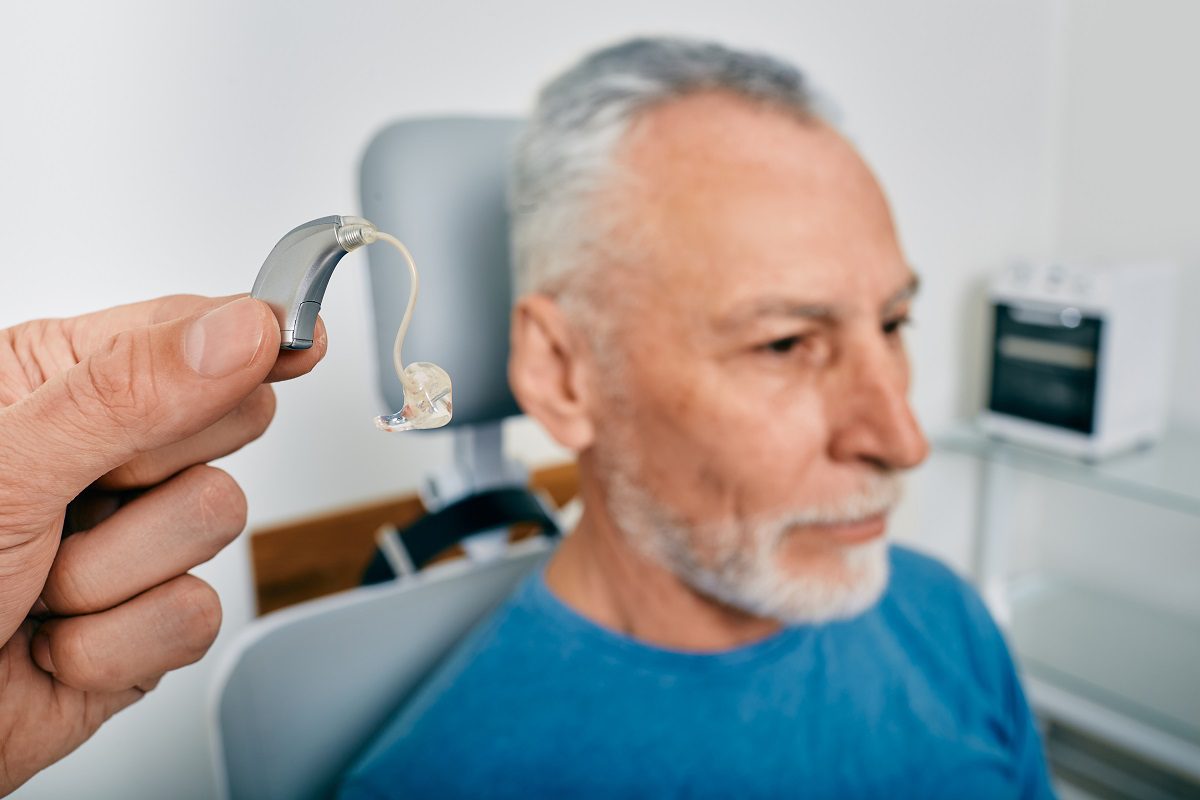
If you’re starting to notice changes in one-on-one conversation, group settings, or noisy environments, over-the-counter (OTC) hearing aids — like OKB Hearing — can support clarity in everyday activities.
Why they help:
- They improve speech understanding
- Reduce the strain on your brain when listening
- Make communication smoother and more enjoyable
- Support mental well-being and social connection
- Help maintain cognitive engagement
OKB Hearing Aids are designed for everyday life:
- Comfortable, discreet open-ear designs
- Natural, clear sound for conversation
- Bluetooth streaming for calls and music
- Easy setup on your smartphone
- Long battery life for daily use
Using hearing aids early — even for mild hearing changes — helps your brain stay actively engaged with sound. Think of them as part of your overall hearing wellness plan, just like your exercise routine or healthy meals.
12. Build a Hearing-Healthy Home Environment
Your surroundings influence your ears more than you think.
Practical home habits:
- Keep TV/music at moderate volume
- Add soft furnishings (curtains, rugs) to reduce echo
- Place carpets under chairs to absorb sound
- Choose high-quality speakers or soundbars for better clarity
- Use a doorbell, alarm, or phone with adjustable sound settings
- Small adjustments create a more comfortable listening environment for everyone — with or without hearing aids.
13. Stay Socially and Mentally Active
Your brain plays a huge role in “hearing.” Social interaction keeps auditory pathways active and sharp.
Mental activities that support hearing comprehension
- Reading aloud
- Brain games
- Learning new hobbies or languages
- Conversing regularly with family and friends
- Doing puzzles while listening to podcasts (at safe volume)
Social connection isn’t just good for your emotional health — it’s good for your hearing health.
Conclusion: Your Ears Thrive on Consistency
Hearing health isn’t built in one day — it’s built in daily habits. Protecting your ears from loud noise, supporting your body with sleep and nutrition, staying active, and monitoring your hearing regularly all contribute to long-term wellness.
And if you’re beginning to notice early signs of hearing changes, support is more accessible than ever. OTC hearing aids like OKB Hearing provide clear sound, easy setup, and everyday comfort — making it easier to stay engaged in conversations, hobbies, and the moments that matter.
Healthy hearing is part of a healthy life. Treat it with care, curiosity, and consistency — your future self will be grateful.

Compartir:
Hearing Aids and Everyday Living: From Work to Wellness
Seasonal Care: Protecting Hearing Aids in Hot Summers and Cold Winters