
Q: Do noise-canceling headphones damage hearing?
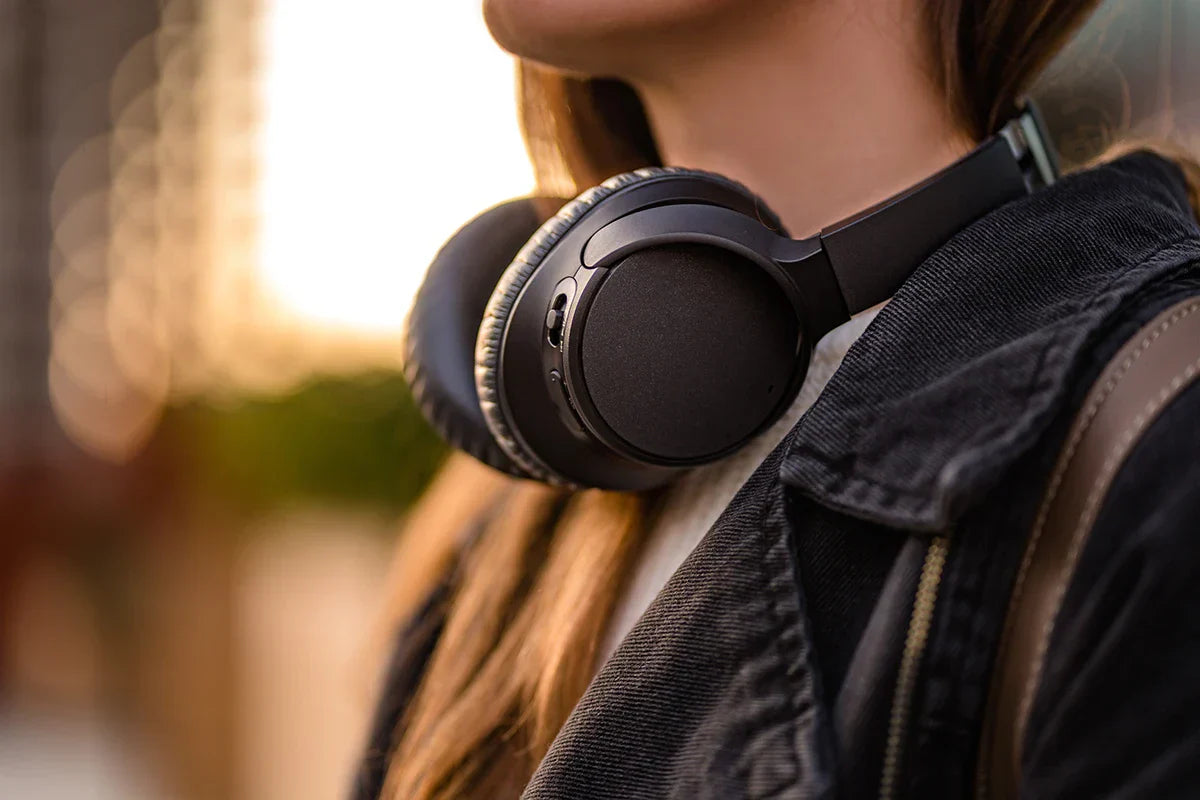
A: No—noise-canceling headphones do not inherently damage hearing when used properly. In fact, they can help protect hearing by reducing background noise, which often allows users to listen at lower, safer volumes.
Q: How do noise-canceling headphones work?
A: Noise-canceling headphones use microphones to detect external sounds and generate opposing sound waves to cancel them out, especially low-frequency noise like airplane engines, traffic, or HVAC systems. This process is called active noise cancellation (ANC).
Q: Are noise-canceling headphones safer than regular headphones?
A: In many situations, yes. Because noise-canceling headphones reduce ambient noise, users are less likely to turn up the volume to overpower their surroundings. Lower listening volumes reduce the risk of noise-induced hearing damage.
Q: Can noise-canceling headphones still cause hearing damage?
A: Yes—if used at high volumes for long periods. The risk comes from volume and duration, not from the noise-canceling technology itself. Listening above safe levels for extended time can damage hearing, regardless of headphone type.
Q: What volume level is considered safe?
A: A common guideline is the 60/60 rule:
-
Listen at no more than 60% of maximum volume
-
For no longer than 60 minutes at a time
Taking listening breaks helps reduce cumulative noise exposure.
Q: Does noise cancellation create harmful pressure in the ears?
A: Some users feel a mild pressure sensation, especially when first using noise-canceling headphones. This sensation is not harmful and does not damage hearing. However, if discomfort persists, switching to a different model or adjusting usage may help.
Q: Are noise-canceling headphones safe for people with hearing loss?
A: Generally, yes. Many people with mild to moderate hearing loss use noise-canceling headphones comfortably, especially in loud environments. However, individuals with hearing loss should be cautious about volume levels and avoid prolonged listening.
Q: Should hearing aid users wear noise-canceling headphones?
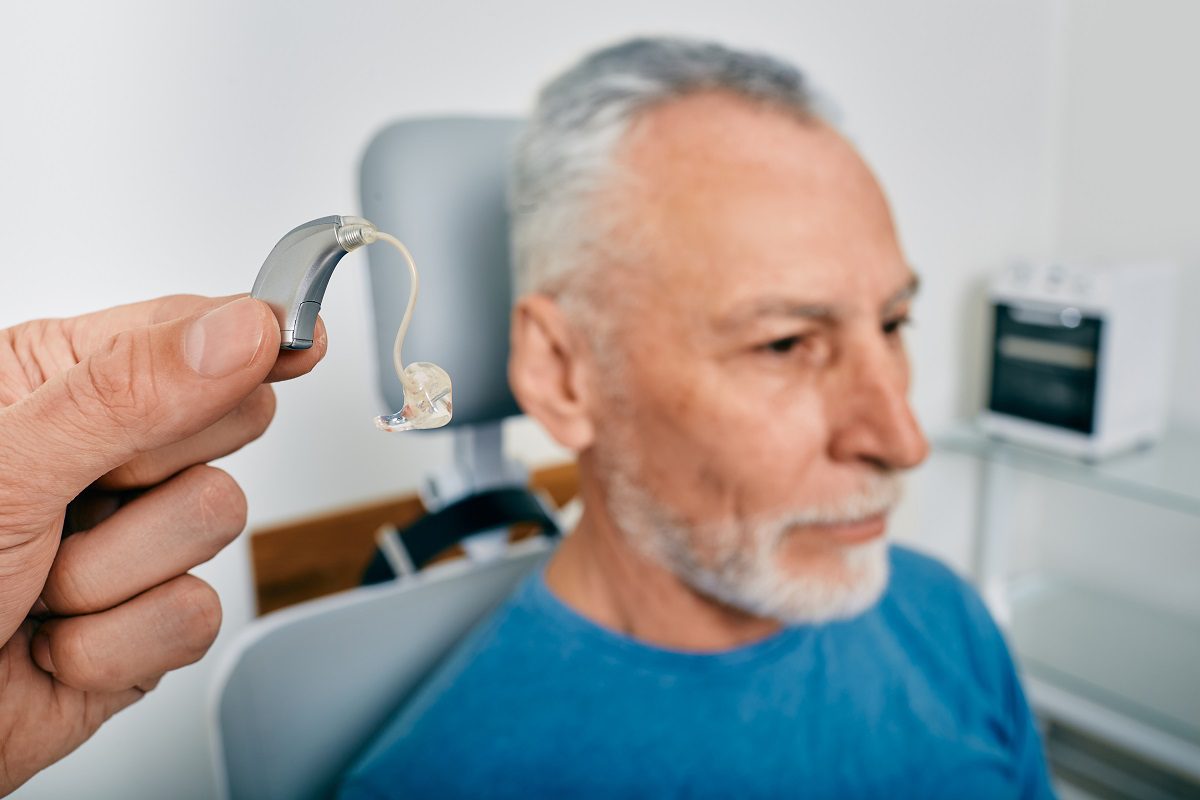
A: It depends. Some hearing aid users remove their hearing aids and wear over-ear noise-canceling headphones instead, especially for travel or focused listening. Others prefer hearing aids with built-in noise reduction. Comfort, fit, and listening needs vary by individual.
Q: Can noise-canceling headphones replace hearing protection?
A: No. Noise-canceling headphones are not a substitute for certified hearing protection in extremely loud environments such as construction sites, concerts, or industrial settings. They reduce perceived noise but do not fully block high-intensity sound exposure.
Q: Are children at higher risk when using noise-canceling headphones?
A: Children may be more vulnerable because they are less aware of safe listening habits. Noise-canceling headphones can be helpful for kids in noisy environments, but adult supervision and volume limits are strongly recommended.
Q: Is passive noise isolation safer than active noise cancellation?
A: Neither is inherently safer. Passive isolation (ear cups or ear tips blocking sound) and active noise cancellation both reduce background noise. The most important factor for hearing safety is keeping listening volume at safe levels.
Q: What are signs that headphone use may be harming hearing?
A: Warning signs include:
-
Ringing or buzzing in the ears
-
Muffled hearing after listening
-
Ear fatigue or discomfort
-
Needing higher volume over time
If these symptoms occur, reducing listening time and volume is recommended.
Q: How can I use noise-canceling headphones safely?
A: To protect your hearing:
-
Keep volume moderate
-
Take regular listening breaks
-
Avoid using headphones all day
-
Be aware of surroundings, especially outdoors
-
Use transparency or ambient modes when needed
Q: Do noise-canceling headphones cause long-term hearing loss?
A: No evidence shows that noise-canceling technology itself causes long-term hearing loss. Hearing damage is linked to excessive sound exposure over time, not to noise cancellation.
Q: What’s the bottom line?
A: Noise-canceling headphones are not harmful by design and can actually support safer listening habits. When used responsibly—at reasonable volumes and with breaks—they are generally safe for most people, including those concerned about hearing health.

Share:
How to Exercise Safely While Wearing Hearing Aids
Is White Noise Safe for Your Ears?