


A Complete Q&A Guide for U.S. Buyers
If you’re considering hearing aids—or already own a pair—you’re probably wondering: How long do hearing aids actually last? The short answer is 3 to 7 years, but the real answer depends on the type of device, how you use it, and how well you maintain it.
Below, we break everything down in a clear Q&A format, covering lifespan, replacement signs, maintenance tips, and U.S.-specific considerations like OTC hearing aids and regulations.
Q1: How long do hearing aids typically last?
Most hearing aids last between 3 and 7 years, with 5 years being the average lifespan for modern digital devices in the United States.
That said, longevity varies widely depending on:
-
Hearing aid style (RIC, BTE, ITE, etc.)
-
Usage (daily wear time)
-
Environmental exposure (humidity, sweat, dust)
-
Maintenance habits
In real-world use, many people replace hearing aids not because they stop working entirely, but because technology improves or their hearing needs change.
Q2: Do different types of hearing aids last longer than others?
Yes. Hearing aid style has a significant impact on lifespan.
Average lifespan by type:
-
Behind-the-Ear (BTE): 5–7 years
-
Receiver-in-Canal (RIC/RITE): 4–6 years
-
In-the-Ear (ITE): 3–5 years
-
Completely-in-Canal (CIC/IIC): 3–4 years
Smaller hearing aids tend to wear out faster because:
-
They are more exposed to earwax and moisture
-
Components are packed tightly
-
Batteries are smaller and drain faster
BTE and RIC styles are popular in the U.S. because they balance durability, comfort, and sound quality.
Q3: How long do OTC hearing aids last compared to prescription ones?
OTC hearing aids—available in the U.S. since 2022—generally last 3 to 5 years, slightly less than premium prescription models.
However, modern OTC devices have improved rapidly and now offer:
-
Digital sound processing
-
App-based tuning
-
Rechargeable batteries
-
Bluetooth connectivity
Because OTC hearing aids are designed for mild to moderate hearing loss, many users replace them sooner as their hearing changes, not because the device fails.
Q4: What causes hearing aids to wear out?
Hearing aids are small electronic devices worn in harsh conditions. The most common causes of failure include:
1. Moisture damage
Sweat, humidity, rain, and condensation can damage internal circuits—especially in warmer or coastal U.S. climates like Florida, Texas, and California.
2. Earwax buildup
Wax can block microphones and receivers, leading to distortion or complete sound loss.
3. Battery degradation
Rechargeable batteries lose capacity over time. After 3–4 years, many no longer hold a full day’s charge.
4. Physical wear
Buttons, ports, and charging contacts wear down with daily handling.
5. Technological obsolescence
Even if the device still works, older hearing aids may not support:
-
New smartphones
-
Updated apps
-
Improved noise processing
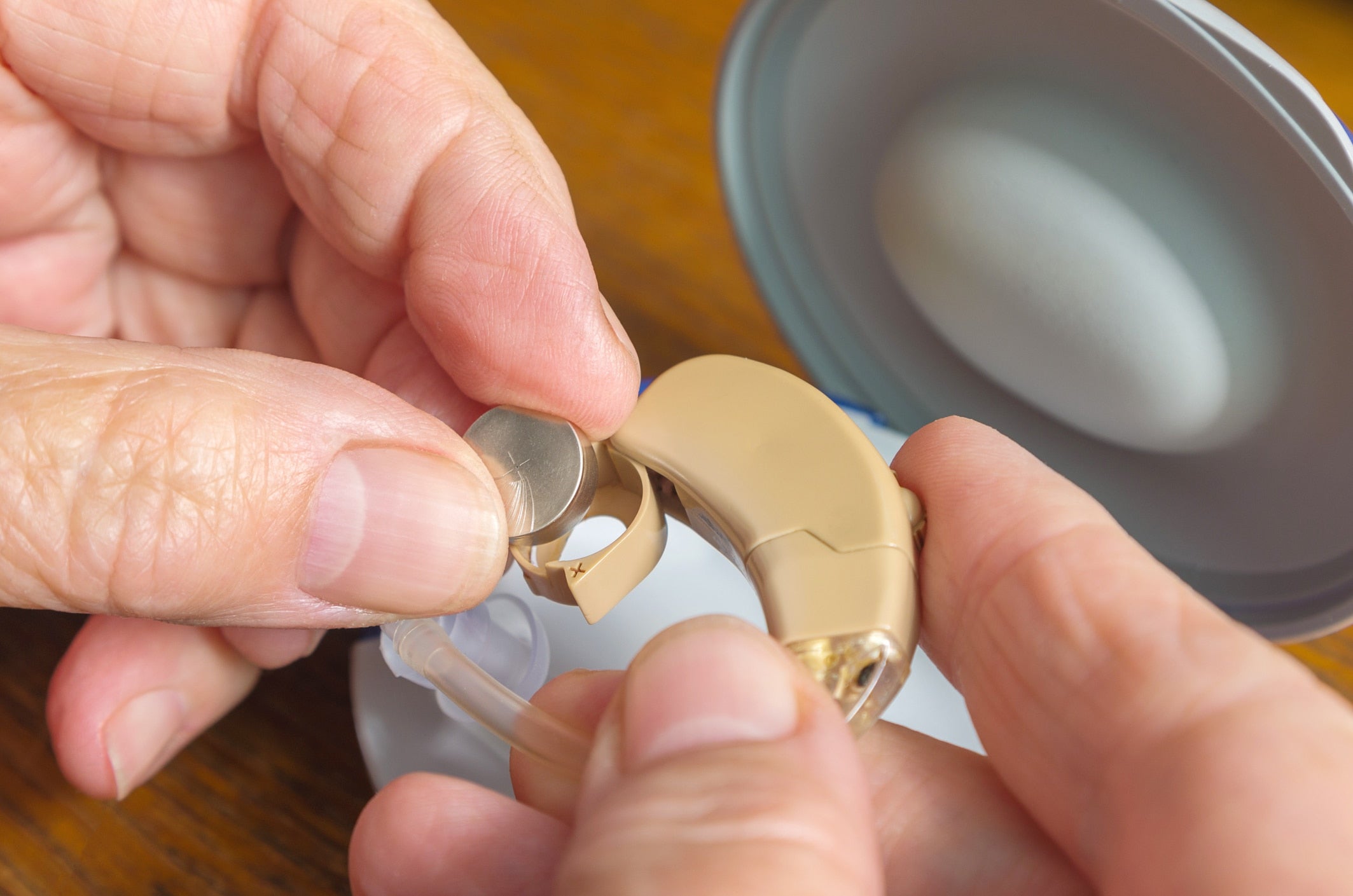
Q5: How long do hearing aid batteries last?
Battery life depends on the battery type.
Disposable batteries:
-
Size 10: 3–5 days
-
Size 312: 5–7 days
-
Size 13: 7–10 days
-
Size 675: 10–14 days
Rechargeable batteries:
-
Daily runtime: 16–30 hours per charge
-
Battery lifespan: 3–5 years before replacement is needed
Rechargeable hearing aids are now extremely popular in the U.S. due to convenience and reduced long-term battery costs.
Q6: Can hearing aids last longer with proper care?
Absolutely. Good maintenance can add 1–2 extra years to a hearing aid’s life.
Best practices:
-
Wipe hearing aids daily with a dry cloth
-
Store them in a dehumidifier overnight
-
Keep them away from heat, water, and hairspray
-
Clean wax guards and microphone ports regularly
-
Replace domes and filters as recommended
Many users are surprised to learn that poor maintenance, not device quality, is the #1 reason hearing aids fail early.
Q7: How do I know when it’s time to replace my hearing aids?
Common signs it’s time for a replacement include:
-
Sound is weak, distorted, or inconsistent
-
Frequent repairs are needed
-
Battery no longer lasts a full day
-
Difficulty hearing in noise despite adjustments
-
Device is incompatible with your smartphone
-
Hearing loss has progressed beyond the device’s range
If your hearing aids are 5+ years old, it’s usually worth comparing newer options—even if they still work.
Q8: Do hearing aids expire if I don’t use them?
Hearing aids don’t “expire” like food, but unused devices can degrade over time.
-
Rechargeable batteries lose capacity even when not used
-
Rubber parts (domes, tubing) harden and crack
-
Firmware becomes outdated
If hearing aids sit unused for several years, they may need servicing before regular use.
Q9: How often should hearing aids be serviced?
In the U.S., most professionals recommend:
-
Professional cleaning/check: every 6–12 months
-
Hearing test: every 1–2 years
-
Firmware updates: as available
OTC hearing aid users should still schedule periodic hearing evaluations to ensure their devices match their hearing needs.
Q10: Does insurance or Medicare affect how often people replace hearing aids?
Yes—replacement timing is often influenced by coverage, not just device condition.
-
Original Medicare does not cover hearing aids
-
Some Medicare Advantage (Part C) plans offer limited coverage
-
Many private insurance plans replace hearing aids every 3–5 years
As a result, many U.S. users replace hearing aids when benefits renew, even if the devices still function.
Q11: Is it better to repair or replace old hearing aids?
A good rule of thumb:
-
Repair if the device is under 4 years old and repairs are infrequent
-
Replace if:
-
Repairs are frequent or costly
-
Battery life is poor
-
Technology is outdated
-
Hearing needs have changed
-
Once repair costs approach 30–50% of the price of a new device, replacement usually makes more sense.
Q12: What is the future lifespan of modern hearing aids?
Newer hearing aids are designed to last longer due to:
-
Better moisture resistance
-
Improved battery chemistry
-
Software-based upgrades instead of hardware changes
However, faster innovation means users may choose to upgrade sooner to access:
-
Better speech clarity
-
AI-driven noise reduction
-
Improved Bluetooth streaming
In practice, functional lifespan is increasing, but upgrade cycles remain around 4–6 years.
Q13: How long should I expect my first hearing aids to last?
First-time users often replace hearing aids sooner—typically 3–4 years—because:
-
They learn more about their preferences
-
Hearing changes after initial diagnosis
-
Technology upgrades feel more impactful
This is completely normal and part of the hearing care journey.
Q14: What’s the bottom line on hearing aid lifespan?
Key takeaways:
-
Most hearing aids last 3–7 years
-
Average replacement cycle in the U.S. is 5 years
-
Proper care can significantly extend lifespan
-
Technology and hearing changes often drive upgrades—not failure
-
OTC hearing aids offer shorter but more affordable cycles
Choosing hearing aids is not just about how long they last—but how well they support your hearing, lifestyle, and communication needs over time.

Share:
Hearing Protection Tips for Travel, Flights, and Loud Environments
When to Replace a Hearing Aid Battery